Ethics in Archaeology?
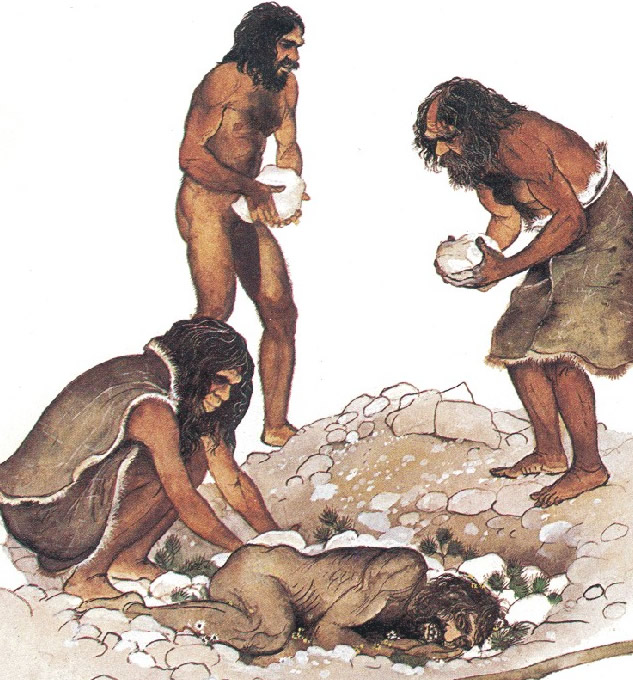
So I was planning on doing a blog entry about ethics and these last two classes have fit in really well with what I was planning on saying. Ethics in archaeology is something that really concerns me; none more so than with the handling and treatment of human remains. In one of our required reading articles, Who Owns the Past? by V. Morell, I was quite shocked and upset by what I was reading. I know that repatriation and the treatment of human remain is a contentious issue in archaeology and bioarchaeology and really any discipline which has to deal with them and I also know that I have some very strong feelings about what I consider to be right and wrong surrounding this issue. First of all, in this article what I notice is a bunch of archaeologists being way too melodramatic; just because the study of human remains could be limited does not mean “The end of anthropology” (p.1424). These people are very limited in their scope of the discipline if they think that the only thing any anthropologist is concerned about is human bones. I do agree though, that the study of human remains is immensely important and can shed light on past practices, migrations and lifeway’s in the way that little other evidence can. But I also think that descendent groups deserve the right to approve or disapprove any research being conducted on their ancestors. “Across the globe, archaeologists and anthropologists are making the unhappy discovery that governments are giving cultural traditions and religious beliefs higher priority than scientific inquiry.” (Morell, 1995:1424). This quote from the article gave me shivers; in the case of archaeology when working with descendent groups, I personally believe that ‘cultural traditions’ damn well have every right over ‘scientific inquiry’ according to an archaeologist. For the most part, I find, that archaeologists are not members of the indigenous community where they are working and so when they put their own research above the feelings and traditions of those groups they do so without acknowledging what it may mean to those people. Scientific study and its importance is something which has been made up by modern Western scholars and, although I believe full heartedly in science, I do not think it has any precedence over any other cultural tradition.
So I was planning on doing a blog entry about ethics and these last two classes have fit in really well with what I was planning on saying. Ethics in archaeology is something that really concerns me; none more so than with the handling and treatment of human remains. In one of our required reading articles, Who Owns the Past? by V. Morell, I was quite shocked and upset by what I was reading. I know that repatriation and the treatment of human remain is a contentious issue in archaeology and bioarchaeology and really any discipline which has to deal with them and I also know that I have some very strong feelings about what I consider to be right and wrong surrounding this issue. First of all, in this article what I notice is a bunch of archaeologists being way too melodramatic; just because the study of human remains could be limited does not mean “The end of anthropology” (p.1424). These people are very limited in their scope of the discipline if they think that the only thing any anthropologist is concerned about is human bones. I do agree though, that the study of human remains is immensely important and can shed light on past practices, migrations and lifeway’s in the way that little other evidence can. But I also think that descendent groups deserve the right to approve or disapprove any research being conducted on their ancestors. “Across the globe, archaeologists and anthropologists are making the unhappy discovery that governments are giving cultural traditions and religious beliefs higher priority than scientific inquiry.” (Morell, 1995:1424). This quote from the article gave me shivers; in the case of archaeology when working with descendent groups, I personally believe that ‘cultural traditions’ damn well have every right over ‘scientific inquiry’ according to an archaeologist. For the most part, I find, that archaeologists are not members of the indigenous community where they are working and so when they put their own research above the feelings and traditions of those groups they do so without acknowledging what it may mean to those people. Scientific study and its importance is something which has been made up by modern Western scholars and, although I believe full heartedly in science, I do not think it has any precedence over any other cultural tradition.
In the case of Australia, the indigenous aboriginal inhabitants have long faced many struggles with the colonizing governments, much the same way as the first peoples of Canada have, and so when I see articles like the ones we had to read it makes me cringe a little. These people have undergone immense hardships and disrespect, not only at the hands of the government, but also from those early looters who called themselves ‘archaeologists’ and seeing things like those articles is not going to make indigenous groups any more eager to work with archaeologists in the future. And that is where I think we can sort all this out; by establishing proper respectful, working relationships with the peoples whose history we’re researching because if we aren’t then I really don’t see any point. The reason I went to school to become an archaeologist is because I think the past is important to people and can benefit them in term of cultural maintenance and land rights issues and that is why I will do whatever job it is I hopefully one day get (fingers crossed). If archaeology is not accessible to the public, most importantly those member of the public who the research directly connects with, then what is the point? So a bunch of academics can get together and brag about what new thing they found that no one in the public will hear about, let alone be able to decipher through all the scholarly jargon we use. That just doesn’t seem worth it to me, public dissemination should be a major part of any archaeological research, not just the ones dealing with human remains and indigenous groups should be consulted from the very beginning. Maybe this is me being sentimental because the thought of some rude archaeologist digging up my bones, studying me under a cold light and then packing me away in some dark museum basement gives me the creeps but I think it’s also just a matter of what I think is right and fair when dealing with sensitive material and the people to whom this material rightly belongs.
Morell, Virginia
1995 Who Owns the Past? Science, New Series 268(5216):1424-1426.